
Headquartered in Singapore · Connecting industry, technology and talent
MOZI
ENTERPRISE CAPABILITY TRANSLATION

Enterprise Capability Translation

Enterprises know the outcomes they need but may struggle to express them as trainable tasks. Institutions need evidence of each learner’s actual contribution, and learners need capability records that can be explained and checked.

01 · PRACTICE

Start with one real problem

01

Identify the problem

Clarify the problem and who needs to make which decisions.
02

Define the tasks

Specify actions, tools and work products.

03

Design learning and assessment

Translate tasks into practical learning and assessment requirements.

04

Review evidence and return to practice

Review processes, outputs and enterprise feedback, then refine the tasks.
02 · SCENARIO

Illustrative scenario · not a client result

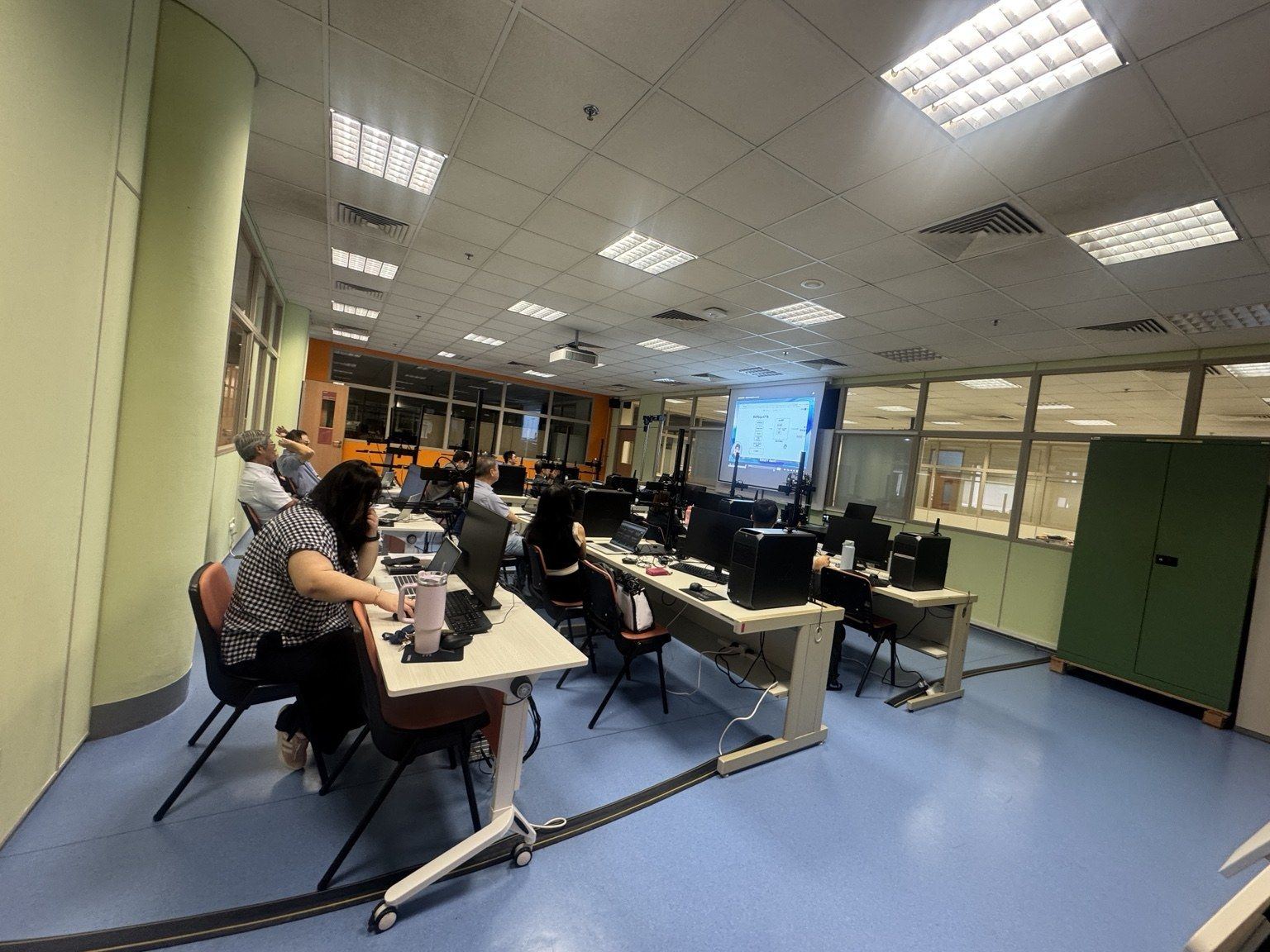
Learning at NYP
Learning at NYP

Capability Unit example

Assembly-quality visual inspection: understand the inspection objective, review false positives and missed defects, record the reasoning and report anomalies through the responsibility process. Line stoppage and final action remain decisions for authorised personnel under site procedures.

Explore
MOZI

MOZI working definition

Enterprise Capability Translation is MOZI’s working method for identifying key tasks from business intent and real situations, defining trainable, observable and assessable capabilities, and refining them through practical evidence and enterprise feedback.

03 · FRAMEWORK

Practice framework · nine steps

Practice framework · nine steps
  1. Business intent
  2. Real business setting
  3. Key Work Tasks
  4. Capability Units
  5. Learning and training design
  6. Performance and work-product evidence
  7. Assessment and Evidence Review
  8. Capability Evidence Report
  9. Deployment of people and organisational feedback

Specify the user, decision point and deliverable for each task. Express capabilities as observable individual actions. Keep sources, process records, feedback and revisions.

04 · TOOLKIT

MOZI Enterprise Capability Translation Toolkit

01V0.2 · demonstration version

Enterprise task library

Task and user
An enterprise or teacher needs to structure a project requirement.
Demonstrated function
Record the setting, deliverable, completion criteria and constraints.
Example output
Example task card
Arrange a module demonstration
02V0.2 · demonstration version

Task-to-course design

Task and user
A teacher needs to organise a task as a course or practice module.
Demonstrated function
Draft activities, learner briefs and rubrics for teacher review.
Example output
Draft teaching plan, learner brief and rubric
Arrange a module demonstration
03V0.2 · demonstration version

Business assistant

Task and user
A participant needs to organise information, reasoning and open questions.
Demonstrated function
Assist with task-specific research, writing and analysis; users check key judgements.
Example output
Example analysis and points to verify
Arrange a module demonstration
04V0.2 · demonstration version

Capability evidence

Task and user
Teachers and industry mentors need to review what each learner actually did.
Demonstrated function
Link work products, individual contributions, assessment grounds and revisions.
Example output
Example Capability Evidence Report
Arrange a module demonstration
05 · RESEARCH

Research questions and practice observations

We explore how real tasks can become observable capability requirements, which processes and outputs can support assessment, and how enterprise feedback can refine learning design. These are research questions drawn from MOZI practice; the proposed relationships still require pilot validation.

06 · NEXT

A possible later application

A Capability Passport may be a later application for recording capability evidence.

This is MOZI’s working method for practical exploration. It is taking shape and is being tested in pilots; systematic empirical research is not yet complete. The research summary is a discussion draft and should not be cited as an established theory or standard.